Top Construction Risk Management Strategies for Indian Builders
23-6-2026
Construction Risk Management Strategies That Save Time and Money
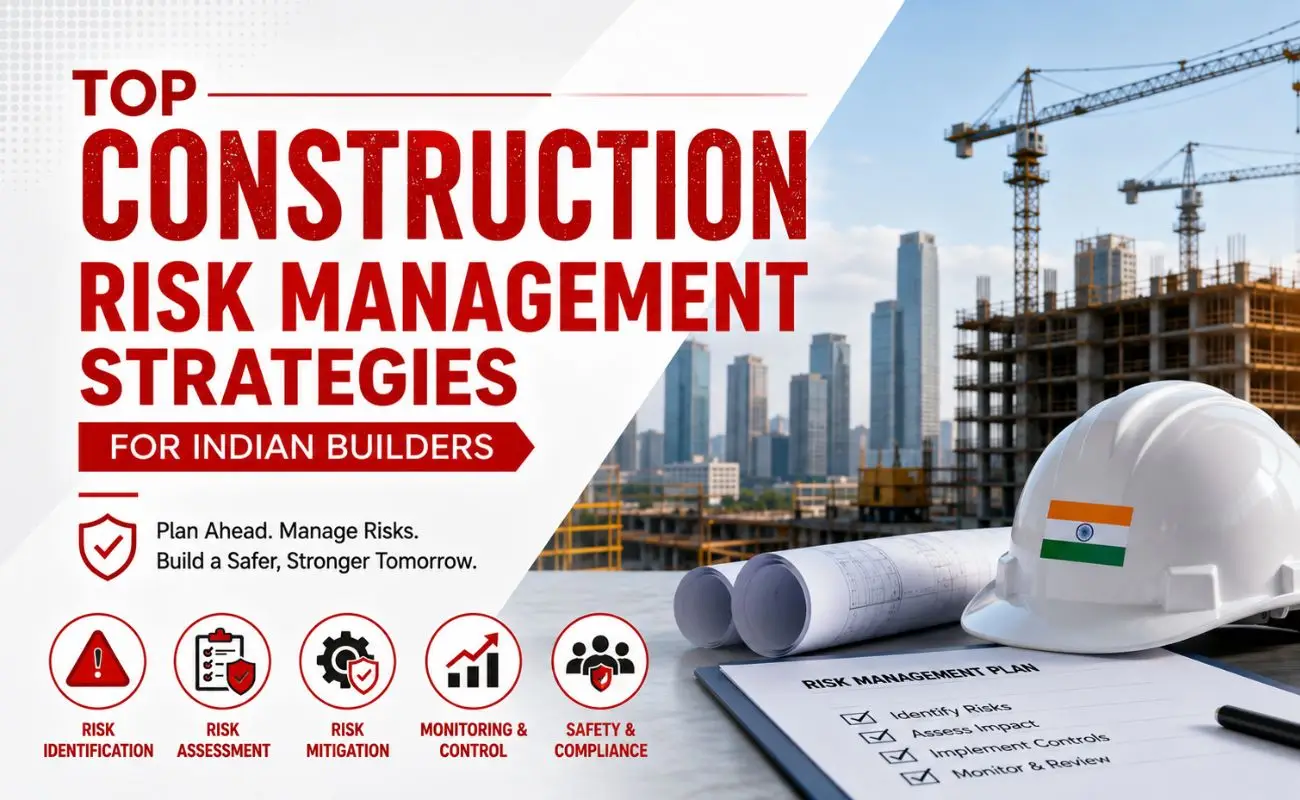
The Indian construction sector has witnessed remarkable growth over the past decade, driven by urban development, infrastructure expansion, and increasing demand for residential and commercial spaces. However, every construction project, regardless of its size, faces uncertainties that can impact timelines, budgets, quality, and safety.
From fluctuating material costs to labor shortages and changing regulations, modern construction projects require a structured approach to identifying and controlling risks. This is why experienced Builders in India place significant emphasis on construction risk management throughout the project lifecycle.
Organizations that follow systematic planning, quality assurance processes, and proactive project monitoring are often better equipped to handle unexpected challenges. Companies such as Webuild Developers contribute to this evolving construction landscape by emphasizing professional project management practices that help ensure smoother project execution and better outcomes for clients.
This article explores how Builders in India manage construction risks, the tools they use, the challenges they face, and the future trends shaping risk management in the Indian construction industry.
What Is Construction Risk Management?
Construction risk management is the process of identifying, assessing, monitoring, and controlling potential threats that could negatively affect a construction project.
These risks may influence:
- Project timelines
- Construction costs
- Worker safety
- Material availability
- Structural quality
- Regulatory compliance
- Customer satisfaction
Rather than reacting to problems after they occur, successful Builders in India focus on anticipating possible challenges and implementing preventive measures before they become major issues.
In simple terms, construction risk management helps project teams answer a critical question:
"What could go wrong, and what can be done to prevent it?"
Why Risk Management Is Important for Indian Builders
Construction projects involve multiple stakeholders, significant investments, and complex operations. Even a small disruption can create a chain reaction that affects the entire project.
Risk management helps builders maintain control over:
Project Budgets
Unexpected price increases in cement, steel, or other materials can impact profitability. Proper planning allows builders to prepare for such fluctuations.
Construction Schedules
Delays caused by weather, labor shortages, or permit approvals can significantly affect project completion dates.
Safety Standards
Construction sites inherently involve risks. Effective safety management reduces accidents and improves worker welfare.
Quality Assurance
Risk management helps ensure that construction standards are maintained consistently throughout the project.
Client Trust
Projects completed on time and within budget help strengthen customer confidence and builder's reputation.
Without structured risk management, even well-planned projects can encounter costly setbacks.
What Are the Common Risks Faced by Builders in India?
The Indian construction industry faces a wide range of challenges that can impact project success.
1. Cost Escalation
Material prices can change rapidly due to:
- Inflation
- Supply chain disruptions
- Fuel cost increases
- Global market fluctuations
Steel, cement, and electrical components are particularly sensitive to market conditions.
2. Labor-Related Risks
Construction projects often depend on skilled and semi-skilled workers.
Common labor challenges include:
- Workforce shortages
- High employee turnover
- Skill gaps
- Labor migration
3. Weather Disruptions
Heavy rainfall, extreme heat, and seasonal conditions can affect:
- Excavation work
- Concrete curing
- Material storage
- Site accessibility
4. Regulatory Risks
Construction regulations continue to evolve.
Builders must comply with:
- Building permits
- Environmental approvals
- Safety regulations
- Local municipal requirements
Failure to comply may result in penalties or project delays.
5. Safety Risks
Site accidents remain one of the most significant concerns in construction.
Potential hazards include:
- Falls from heights
- Equipment failures
- Electrical incidents
- Structural collapses
6. Design and Planning Errors
Incomplete or inaccurate project designs can lead to:
- Rework
- Increased costs
- Schedule overruns
- Material wastage
7. Supply Chain Issues
Delays in material procurement can affect project schedules and productivity.
Who Is Responsible for Risk Management in Construction?
Effective risk management is a shared responsibility involving multiple professionals.
Builders
Builders oversee the overall project strategy and ensure risk mitigation measures are implemented.
Project Managers
Project managers monitor schedules, budgets, resources, and project performance.
Engineers
Engineers identify technical risks and ensure structural integrity.
Architects
Architects help minimize design-related risks through proper planning and coordination.
Contractors
Contractors manage workforce deployment, equipment usage, and on-site operations.
Site Supervisors
They ensure safety procedures and quality standards are followed daily.
Quality Control Teams
Quality specialists conduct inspections and identify potential construction defects before they escalate.
The most successful Builders in India encourage collaboration among all these stakeholders to create a proactive risk management culture.
When Should Construction Risk Management Begin?
One of the biggest misconceptions in construction is that risk management begins after work starts on-site.
In reality, risk management should begin during the earliest stages of project planning.
Pre-Construction Phase
During this stage, builders evaluate:
- Site conditions
- Soil quality
- Regulatory requirements
- Budget estimates
- Resource availability
Design Phase
Potential design conflicts and technical challenges are identified before construction begins.
Procurement Phase
Builders assess supplier reliability and material availability.
Construction Phase
Continuous monitoring helps identify emerging risks and implement corrective actions.
Post-Construction Phase
Final inspections and quality checks help ensure long-term project performance.
The earlier risks are identified, the lower the cost of resolving them.
Where Do Indian Builders Apply Risk Management Strategies?
Risk management practices are essential across various construction sectors.
Residential Projects
Risk management helps ensure timely delivery and quality construction for homebuyers.
Villas and Independent Houses
Builders focus on material quality, structural integrity, and budget management.
Apartment Developments
Large-scale apartment projects require careful coordination among multiple teams and suppliers.
Commercial Buildings
Commercial projects often involve complex systems that demand extensive risk assessment.
Infrastructure Projects
Roads, bridges, airports, and public infrastructure projects involve higher operational and regulatory risks.
Regardless of project type, experienced Builders in India understand that proactive risk management directly impacts project success.
How Builders in India Manage Construction Risks Effectively
Leading builders rely on a combination of planning, technology, expertise, and continuous monitoring.
Conducting Detailed Site Assessments
Before construction begins, builders perform:
- Soil testing
- Topographical surveys
- Environmental assessments
- Utility mapping
These evaluations help identify hidden site-related risks.
Comprehensive Project Planning
A detailed project plan helps reduce uncertainty by defining:
- Scope
- Timelines
- Budget allocations
- Resource requirements
Risk Identification Workshops
Many project teams conduct structured sessions to identify potential risks and prepare mitigation strategies.
Quality Assurance Systems
Quality inspections are integrated throughout construction rather than being limited to final stages.
Common quality control measures include:
- Material testing
- Structural inspections
- Process audits
- Compliance verification
Safety Management Programs
Modern construction firms prioritize worker safety through:
- Safety training
- Personal protective equipment
- Emergency response plans
- Site safety audits
Supplier Diversification
Relying on multiple vendors helps reduce procurement-related risks.
Budget Contingency Planning
Builders often allocate contingency funds to address unforeseen expenses without disrupting project progress.
Continuous Monitoring
Regular project reviews allow teams to identify and resolve issues before they become critical.
Construction Risk Management Tools Used by Indian Builders
Technology has become a powerful tool for managing construction risks.
Building Information Modeling (BIM)
BIM enables project teams to visualize structures digitally before construction begins.
Benefits include:
- Clash detection
- Improved coordination
- Better planning
- Reduced rework
Project Management Software
Digital platforms help track:
- Tasks
- Resources
- Costs
- Schedules
Drone Inspections
Drones provide accurate site monitoring and progress tracking.
Cost Estimation Software
Advanced software improves budgeting accuracy and reduces financial uncertainties.
Digital Quality Inspection Tools
Mobile inspection applications help streamline quality control processes.
Real-Time Reporting Systems
Project managers can monitor progress and risks through centralized dashboards.
Technology-driven builders are increasingly gaining a competitive advantage in India's rapidly evolving construction sector.
Benefits of Effective Construction Risk Management
When implemented correctly, risk management delivers substantial advantages.
Better Budget Control
Builders can minimize unexpected expenses and improve financial planning.
Faster Project Completion
Proactive planning reduces delays and improves schedule performance.
Enhanced Construction Quality
Continuous monitoring helps maintain construction standards throughout the project lifecycle.
Improved Safety Performance
Reduced accidents lead to safer and more productive work environments.
Reduced Legal Issues
Compliance monitoring helps avoid regulatory violations and disputes.
Stronger Client Relationships
Projects delivered successfully enhance customer satisfaction and trust.
Long-Term Business Growth
Companies that consistently manage risks effectively often build stronger reputations and secure more projects.
Challenges Builders in India Face in Risk Management
Despite advancements, several obstacles remain.
Rapidly Changing Regulations
Frequent updates in construction and environmental regulations require constant adaptation.
Market Volatility
Economic changes can affect project financing and material costs.
Skilled Labor Shortages
Finding experienced professionals remains challenging in certain regions.
Technology Adoption Barriers
Some firms face difficulties implementing advanced digital solutions.
Complex Stakeholder Coordination
Large projects often involve multiple consultants, contractors, suppliers, and regulatory bodies.
Successfully addressing these challenges requires continuous improvement and investment in professional project management practices.
Future Trends in Construction Risk Management in India
The future of construction risk management is increasingly driven by innovation and data.
Artificial Intelligence
AI-powered systems can analyze project data and identify potential risks before they become major problems.
Predictive Analytics
Advanced analytics helps forecast delays, cost overruns, and resource shortages.
Smart Construction Technologies
Connected devices provide real-time visibility into project performance.
Digital Risk Dashboards
Project leaders can monitor key risk indicators through centralized platforms.
Sustainable Construction Planning
Environmental considerations are becoming an important part of risk assessment and project planning.
Integrated Project Delivery Models
Collaborative project approaches improve communication and reduce operational risks.
As technology continues to evolve, Builders in India are expected to adopt increasingly sophisticated risk management solutions to improve efficiency and project outcomes.
Frequently Asked Questions What is construction risk management?
Construction risk management is the process of identifying, evaluating, and controlling risks that may affect a construction project's cost, timeline, quality, or safety.
Why is risk management important for builders in India?
Risk management helps builders reduce delays, control costs, improve safety, maintain quality standards, and ensure successful project completion.
What are the most common construction risks in India?
Common risks include material price fluctuations, labor shortages, weather disruptions, safety incidents, regulatory changes, and supply chain challenges.
How do builders in India reduce construction risks?
Builders use detailed planning, site assessments, quality control systems, safety programs, technology tools, and continuous project monitoring to minimize risks.
What technologies are used for construction risk management?
Popular technologies include BIM software, project management platforms, drone inspections, cost estimation tools, digital quality inspection systems, and AI-based monitoring solutions.
Conclusion
Construction projects are becoming more complex, making risk management an essential component of successful project execution. From planning and procurement to safety management and quality control, every stage of construction presents unique challenges that require careful attention.
Leading Builders in India recognize that effective risk management is not simply about avoiding problems; it is about creating predictable, efficient, and high-quality construction outcomes. Through strategic planning, advanced technology, skilled project management, and continuous monitoring, builders can reduce uncertainties and deliver projects with greater confidence.
As the Indian construction industry continues to evolve, organizations that embrace structured risk management practices will be better positioned to meet client expectations and maintain long-term success. Companies such as Webuild Developers reflect this industry-wide commitment to professional execution, quality-focused construction, and responsible project management that supports sustainable growth.